

Paradise Journal
East Bali Dive Sites: Padang Bai, Tulamben & Amed
Padangbai, Tulamben or Amed? Compare boat access, shore entries, reefs and wreck diving to choose the right combination for an East Bali trip.
East Bali combines boat dives on reefs, an established wreck site and coastal villages with quite different daily rhythms. Padangbai, Tulamben and Amed can work well together. The useful planning question is how much time you want in the water and how much you are willing to spend travelling between them.
These are not interchangeable stops on a checklist. This guide compares their character and helps you decide between day trips, overnight stays and a short diving tour.
Padangbai: Several options from one base
A fixed base has advantages when you have only a few diving days. Equipment does not need to be packed for repeated hotel moves, companions can plan their own time in town, and the day’s arrangements can reflect the group. Blue Lagoon and Tanjung Jepun are familiar names around Padangbai, although the actual site choice still depends on conditions.
Distance is only one consideration. Macro diving calls for slow observation and a steady position above the bottom. A more open reef section can ask for different experience. Be specific about your interests: “I photograph small animals” or “I am returning after a break” gives us more useful information than wanting to visit every well-known site.
Tulamben: Allow time for the wreck and the coastline
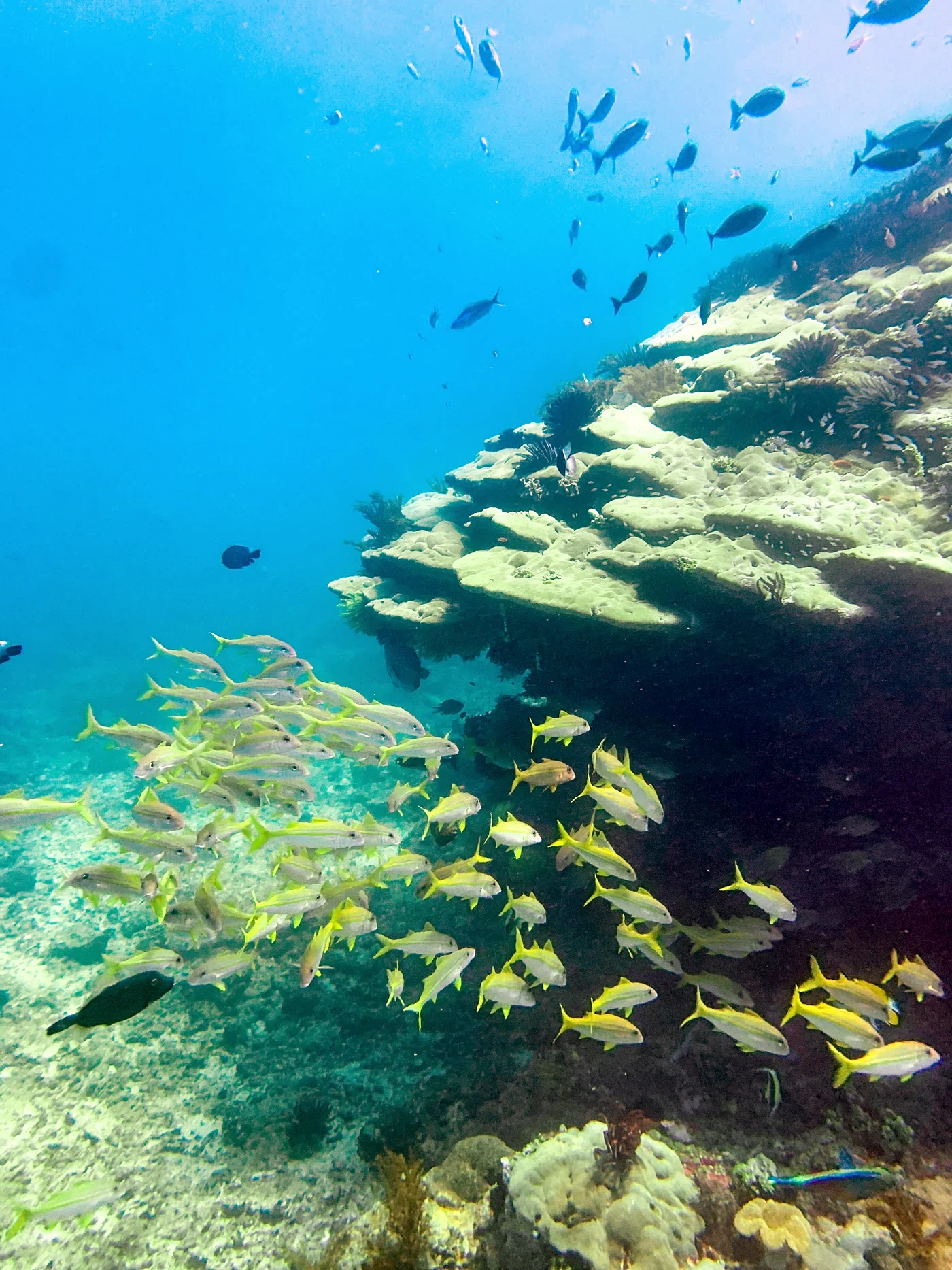
The USAT Liberty is a compelling reason to include Tulamben. Avoid treating it as a quick photograph stop between long transfers. A diving day includes preparation, entries, a surface interval and the return journey. If wreck structure and the surrounding marine life are central to your interests, staying overnight can make the visit less hurried.
The pebble shore entry belongs in the comparison too. It is a different task from entering off a boat, particularly with equipment and moving water. Mention knee problems, difficulty walking on uneven ground or limited shore-entry experience before booking. A wreck’s proximity to shore does not make every route suitable for every diver on every day.
Three differences between local dive sites
Local sites are only minutes from the centre by boat. That saves more than travel time: starts, tidal windows and group matching stay more flexible. Blue Lagoon can reveal colourful reef and macro life; other sites are more open, deeper or faster-moving.
Blue Lagoon is more than a beginner site
Sheltered sections may offer a gentle introduction, while outer edges, depth and current quickly change the character. A name never replaces a briefing.
Jetty and critter sites demand buoyancy
Macro life often occupies subtle structures or sediment. Precise hovering protects animals and preserves visibility. Gloves and holding the bottom are not solutions.
White Sand and Channel follow live conditions
Swell, boat traffic, visibility and current decide whether a site is rewarding. Good local alternatives are close enough that a day never depends on one name.
Amed: Choose a bay rather than trying to see them all
Amed describes a stretch of coast with several villages and bays. Jemeluk, coastal reefs and other sites can be combined in different ways, and the logistics are not identical for every dive. Ask where the particular programme starts and whether it involves shore access or a boat.
An overnight stay is especially useful if you also want time to enjoy the coast. On a short trip, another hotel change may create more work than it saves in driving. Match the number of bases to the nights you have. Two well-chosen regions can be more enjoyable than three brief visits dominated by packing and transfers.
Putting the regions into an itinerary
Begin with suitable local dives, particularly after a long journey or a break from diving. Then add the region that contributes most to your interests: Tulamben for wreck structure or Amed for more coastal bays. Accommodation, weather and flights may change the order; it is not a fixed ranking of difficulty.
For an initial enquiry, send the available nights, your most recent dive, approximate experience and one or two priorities. Include any non-diving companions. Those details let us build a route in which driving, diving and unplanned holiday time fit together.
How to compare two proposed programmes
Start with the locations and overnight stays included. “East Bali” may mean a single day trip in one offer and several coastal areas in another. The number of dives alone does not reveal the driving between them. Ask for a clear description of the start time, departure point and sequence.
Next compare the guiding arrangements with your interests. A group with similar priorities may work well for a relaxed reef day. A photographer who wants to spend longer with small subjects may need a different arrangement. The question is whether the pace suits you, rather than which option sounds universally better.
Finally, include the rest of the holiday. If you are already staying near Amed, diving from that base is different from adding another return road trip from Padangbai. Consider accommodation and diving together. That can remove repeated journeys without prematurely ruling out a hotel you like or a site you want to visit.
Sources & further reading